Roof Repair or Replacement in Marietta: How to Decide
If you own a home or commercial building in Marietta, the question usually arrives at the worst possible moment. Maybe you notice a brown water stain spreading across a ceiling after a hard storm. Maybe you find shingles or other roofing material on the ground. Maybe a contractor has already told you that your roof is “done,” and now you are trying to separate urgency from sales pressure.
The right answer is not always a full replacement, and it is not always a simple patch either. A good decision comes from understanding where the damage is, how water is getting in, whether the problem is isolated or widespread, and what local rules mean for the work itself.
In Marietta, that decision also sits inside a real regulatory framework. Georgia requires licensure for residential and commercial general contractor services performed for compensation, and local permit rules matter when the work goes beyond minor touch-ups. That may sound like paperwork, but it has practical consequences for your budget, your insurance claim, your timeline, and the quality of the finished roof.
I have seen property owners lose money in two opposite ways. One group pays for a replacement when a targeted roof repair would have solved the problem. The other group keeps authorizing one more leak fix, then one more, then one more, until they have paid a surprising amount and still end up needing a new roof. The trick is knowing what kind of problem you actually have.
Start with the leak, not the sales pitch
When water shows up inside, most people naturally focus on the spot where it drips. That makes sense, but roofs rarely leak straight down. Water can travel. It can move along decking, follow framing, or slip through vulnerable roof details before it ever reaches your drywall or ceiling tile.
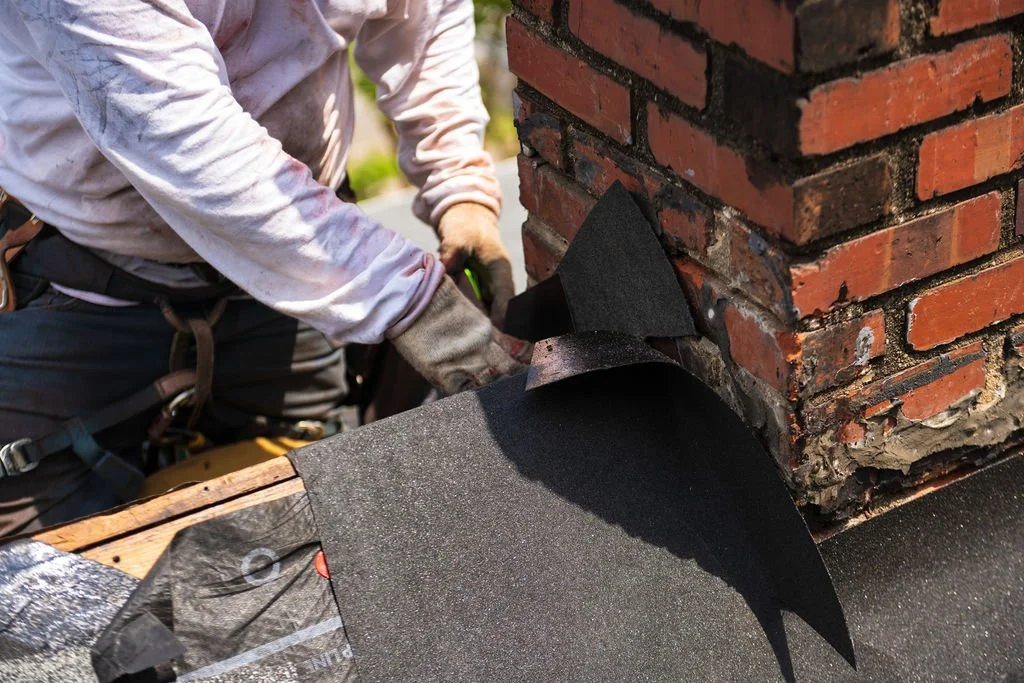
That is one reason roof leak repair can be deceptively tricky. The visible interior damage is often just the symptom. The source may be higher up the slope, near flashing, or in a roof valley where runoff concentrates. Those areas deserve extra attention because flashing and valley flashing are critical water-shedding components. If flashing is loose, poorly installed, or no longer integrated correctly with the surrounding roofing materials, water can work its way inside.
A careful inspection should focus on how the roof sheds water, not just whether a single shingle or panel looks out of place. This matters because the fix for one failed detail is very different from the fix for widespread deterioration. If the issue is limited to a specific area, roof repair may make sense. If multiple water-entry points are developing, or if storm damage has affected more than one section, the equation changes.
What Marietta weather can do to a roof
In this part of Georgia, roof problems often become obvious after severe weather. Hail can damage roof coverings and shorten roof life. Wind, hail, and other hazards can also create pathways for water intrusion. Sometimes the damage is dramatic. Sometimes it is subtle enough that a building owner does not realize there is a problem until the next rain event.
That delay is where costly mistakes happen. A roof may look “mostly fine” from the yard, but a loosened flashing detail or storm-related impact area can allow slow water intrusion. Left alone, that kind of issue tends to grow. What could have been a focused repair becomes a larger interior and exterior project.
After severe weather, Georgia’s insurance regulator advises homeowners to photograph damage, notify the insurer promptly, tarp a damaged roof if it is safe to do so, and avoid signing with rushed or unsolicited contractors. That advice is practical, not theoretical. Storm situations bring out a lot of pressure and a lot of noise. If you are trying to decide between roof repair and replacement, the first goal is preserving the condition of the property and documenting what happened, not locking yourself into a contract in the driveway.
When repair is usually the smarter move
A good repair is not a temporary bandage when the underlying problem is truly localized. In the right situation, it is the most sensible use of money.
Repair tends to make the most sense when the damage can be traced to one or a few identifiable points, especially if those points involve roof details known to fail independently from the rest of the system. A section of flashing may have come loose. A valley may be handling runoff poorly because one detail was compromised. A storm may have affected a limited area without damaging the broader roof field.
In those situations, the best roof repair work is precise. It identifies the exact pathway of water entry and restores the roof’s ability to shed water. That often means more than sealing a visible gap. Flashing should be properly integrated with shingles and underlayment so water is directed back out, not trapped or redirected behind the roofing.
I have also seen repair make sense when the visible interior damage looks worse than the actual roof problem. A single leak can stain drywall, insulation, trim, and paint, which makes the event feel catastrophic. But if the roof issue is confined to one vulnerable detail and the surrounding system remains sound, replacement can be overkill.
That said, “localized” should mean truly localized. If the contractor cannot clearly explain where the water entered and why, you should not assume the issue is small just because the ceiling stain is.
When replacement deserves serious consideration
There comes a point where patching stops being economical. The roof may have several weak points, storm damage may be spread across multiple areas, or the water-shedding components may no longer be working together the way they should. In those cases, replacement often gives a cleaner and more reliable result than a string of separate fixes.
Here are common signs that replacement may be the more sensible path:
- Leaks are showing up in more than one area.
- Storm damage appears across multiple roof sections.
- Flashing, valleys, and adjoining details have recurring failures.
- Previous repairs have not held through normal rain events.
- The scope of work likely extends beyond a simple spot fix.
That list is not a substitute for inspection, but it reflects a pattern I have seen many times. One leak can be a repair. Several active leak paths usually mean the roof system needs a broader solution.
There is also a practical side to replacement that owners sometimes overlook. If your building requires significant roofing work tied to local permitting, it helps to tackle the job in a coordinated way instead of revisiting the same roof repeatedly. Marietta requires permits for new construction, temporary buildings, and certain alterations to existing construction, and both Marietta and Cobb County enforce current Georgia building codes. If the work is substantial enough to trigger permit review, it is worth discussing that early rather than treating it as an afterthought.
The importance of tracing the real source
One of the hardest parts of roof leak repair is resisting the temptation to fix only what is visible. Valleys, penetrations, transitions, and flashing details are often where the real story lives. Because valleys channel concentrated runoff, even a small failure there can send a surprising amount of water into a structure. Poorly installed or loosened flashing can do the same thing, especially where roof planes meet walls or other interruptions.
This is where a seasoned roofing contractor earns their keep. Not by talking fast, but by diagnosing carefully. A strong inspection should connect the interior signs to the exterior water path. It should explain why the leak occurred, what building detail failed, and whether that failure appears isolated or part of a larger pattern.
If the explanation is vague, if the recommendation jumps straight to full replacement without walking through the mechanics of the problem, or if the contractor treats every leak as proof that the whole roof has failed, be cautious. Roof systems are complex enough that real diagnosis matters.
Marietta permits and Georgia licensing are not side issues
Homeowners often think first about shingles, flashing, and insurance, and second about licensing and permits. In practice, those legal details can protect you from expensive problems.
In Georgia, residential and commercial general contractor services performed for compensation require state licensure. The state has different license categories for residential-basic, residential-light commercial, and general contracting work. Contractor rules also include experience, age, competency, and examination requirements, and commercial licensing involves knowledge areas such as building codes, estimating, insurance, surety bonding, and liens. Insurance is also a condition of applying for and maintaining contractor licensure.
What does that mean for you as a property owner in Marietta? It means the person proposing major work should be able to operate inside the state’s licensing rules and the city’s permitting environment. For local roof work, especially if the project extends beyond a minor fix, you want someone who can manage permit compliance, assess storm damage responsibly, and understand the difference between residential and commercial requirements.
A legitimate roofing contractor should not get annoyed when you ask basic questions about licensing, insurance, and permits. Those are normal questions. They are part of protecting your property and making sure the work stands up later.
Insurance claims change the timing of your decision
When severe weather is involved, the decision between repair and replacement is often tied to an insurance process. That can create pressure because you want to stop water intrusion immediately, but you also need to preserve evidence of what happened.
The best early steps are straightforward and worth doing in order:
- Photograph visible damage inside and outside.
- Notify your insurer as soon as possible.
- Tarp the damaged roof if it is safe to do so.
- Avoid rushed agreements with unsolicited contractors.
- Keep records of inspection notes and temporary protection.
Those steps matter because once temporary water control is in place, you can make a clearer repair-versus-replacement decision. If the damage was caused by a qualifying severe weather event, the insurer may inspect. FEMA also notes that ceiling and roof damage from disaster-caused leaks may be eligible for assistance in some situations, though verification is typically done by on-site inspection. The broad lesson is simple: document first, stabilize safely, and do not let panic make the decision for you.
I have seen owners create avoidable headaches by authorizing major tear-off work before the damage was properly documented. I have also seen the opposite mistake, where people waited so long to report a problem that later discussions became harder than they needed to be. Neither extreme helps.
Repair costs less upfront, replacement can cost less over time
This is where honesty matters. A repair almost always feels easier to approve because the immediate number is lower. And sometimes that is exactly the right move. If one failed detail caused the leak, spending for a full replacement would be wasteful.
But the cheaper invoice is not always the cheaper decision.
If you are dealing with repeated service calls, interior damage after every storm, or a roof system with several weak areas, the ongoing cost of piecemeal roof repair can stack up fast. There is the direct cost of each visit, then the hidden cost of ceiling work, paint, cleanup, disruption, and the stress of waiting for the next rain to find out whether the fix held.
On the other hand, replacement should not be sold as a cure-all without a clear reason. A full roof project is a major expense, and owners deserve a concrete explanation of why repairs are no longer likely to perform reliably. The strongest recommendations are usually the ones grounded in identifiable conditions, not dramatic language.
A good contractor should be able to talk through trade-offs plainly. If you repair now, what is the likely benefit? If you replace now, what recurring issues are you solving? If storm damage is involved, how might that affect timing? Those conversations are where good judgment shows.
Residential and commercial properties are not exactly the same
The basic question, repair or replace, applies to both homes and commercial buildings, but the decision process is not identical.
Commercial properties often involve more stakeholders, more documentation, and tighter coordination around code, permits, and financial planning. Georgia’s licensing structure recognizes this, including commercial general contractor licensing and a limited tier option tied to a financial cap. That matters because the scope of work and the kind of contractor you need may differ depending on the building and project size.
For homeowners, the process can feel more personal because the leak is happening over a bedroom, hallway, or kitchen. For commercial owners, the same leak may affect tenants, operations, or interior inventory. In both cases, though, the core principle holds: match the solution to the actual condition of the roof, not just to the frustration of finding water inside.
Questions worth asking before you approve the work
The best conversations are often simple ones. Ask where the water is entering, what failed, whether the damage appears isolated or widespread, whether permits are needed, and who will handle that part. Ask how the recommendation fits Georgia licensing requirements and local code compliance. Ask what temporary protections should be in place while the decision is being finalized.
If the answers are clear, specific, and calm, that is usually a good sign. If everything sounds rushed, exaggerated, or oddly evasive, slow the process down.
This is especially important after storms, when unsolicited offers can show up fast. The state’s advice to avoid signing with rushed or unsolicited contractors is there for a reason. A roof problem is stressful enough without adding contract disputes or compliance issues.
The practical way to decide
In most Marietta roof situations, the answer comes down to four things: how widespread the damage is, whether the leak source is clearly identified, whether storm conditions changed the scope of the problem, and whether the work triggers permit or licensing considerations that call for a more formal project.
If the issue is isolated and well diagnosed, roof repair is often the right answer. If the roof has multiple failures, repeated leaks, or broad storm damage, replacement deserves serious weight. If anyone is pushing you to decide before the roof has been properly inspected and documented, that alone is a reason to pause.
A reliable roof does one job above all others. It keeps water moving out and away from the structure. When deciding between repair and replacement, focus on that function. Not on fear, not on the biggest promise, and not on the fastest sales pitch. If Find more info the proposed solution restores that water-shedding performance in a durable, code-conscious, properly licensed way, you are probably headed in the right direction.